
Rescue Device for the Elderly or Disabled Project
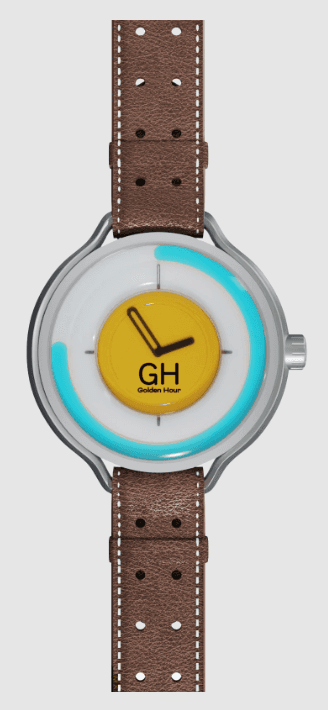
To design an innovative device with accessories and a complete system of communication for direct or indirect connection to the emergency medical system. The emphasis is on ease of use, ergonomic and intuitive control of all functions, especially important for people with reduced sensorimotor abilities.

West Bohemia University (Czech Rep.)
Minor Project
Group Project
Taylor's University
Ai, Ae
Challenge
To design an innovative emergency device that required to understand the target audience and collaborating with other university students in a group project. With one vision to create a successful project.
Results
Design in Creative Media
1. Graphic Design (Branding - logo, poster)
2. UI/UX (Application and Website)
3. Animation


Process
Design empathy with a focus on four key elements: Users, Technology, Business, and Design.
1. Users:
Understanding and Addressing User Needs:
- Research: Conduct in-depth research to understand the demographics, preferences, and behaviors of the target user group. This involves interviews, surveys, and direct observation to gather insights into the users' motivations and pain points.
- Personas: Create user personas to represent different segments of the target audience. These personas help designers empathize with the specific needs, goals, and challenges faced by different user groups.
- Journey Mapping: Map out the user journey to visualize the various touchpoints and interactions users have with a product or service. This helps identify critical moments where empathy-driven design can make a significant impact.
2. Technology:
Balancing Innovation and Accessibility:
- Technology Assessment: Stay informed about the latest technological trends and capabilities. Understand how emerging technologies can be leveraged to enhance user experiences while ensuring accessibility and inclusivity.
- Prototyping: Use rapid prototyping and user testing to explore the integration of new technologies. This iterative process allows designers to gauge user reactions and make necessary adjustments, ensuring that technological advancements align with user needs.
3. Business:
Aligning Design with Business Goals:
- ROI Considerations: Consider the return on investment (ROI) of design decisions. While empathizing with users, designers must also justify the value of their work in terms of business outcomes, such as increased user engagement, customer satisfaction, and revenue.
4. Design:
Human-Centered and Iterative Process:
- Empathy in Ideation: Foster a culture of empathy within the design team. Encourage designers to empathize with each other's perspectives and collaborate effectively. This helps create a positive working environment and translates into better user-centric design.
- User Feedback Loop: Establish a continuous feedback loop by involving users throughout the design process. From initial concepts to final prototypes, gather feedback and iterate based on user input. This ensures that the final design resonates with users on both functional and emotional levels.
- Usability Testing: Conduct usability testing to evaluate the effectiveness of the design in real-world scenarios. Observing how users interact with the product provides valuable insights into areas that require improvement, reinforcing the empathetic design approach.











"Design isn't just about making things beautiful; it's also about making things work beautifully."
Roger Martin
Designer
Reflection
I’m glad that I can take this module on this semester. I learned a lot about design thinking more than other modules. I’m thankful for Mr Mike for guiding us for our projects. Last, I’m very grateful that I have amazing groupmates as well.